

How to Collect Classic Cars: A Comprehensive Guide for New and Experienced Enthusiasts
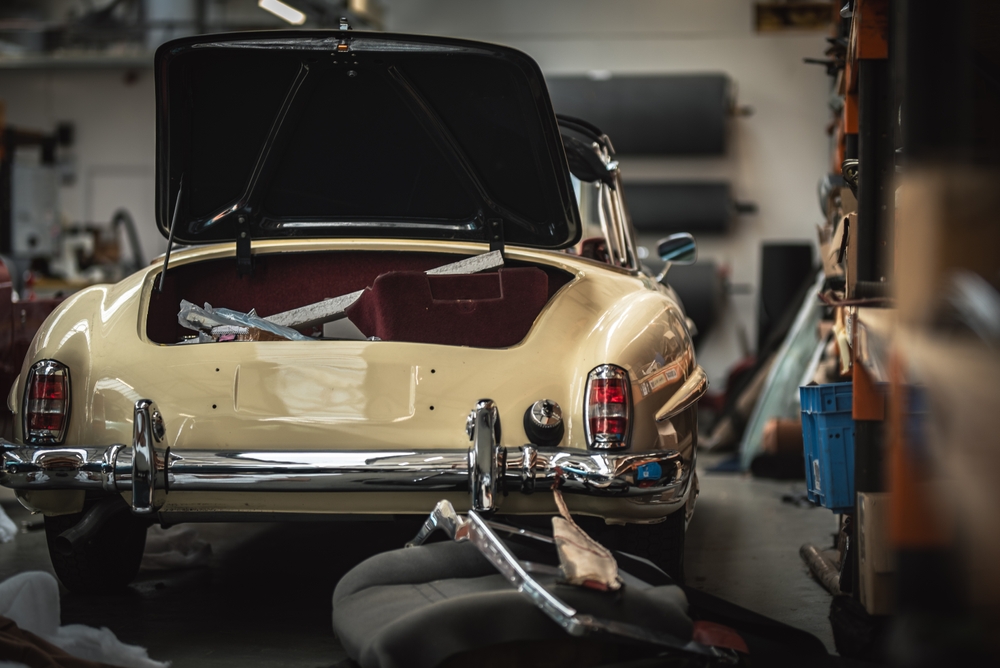
Restoration in Progress: Giving History a Second Life
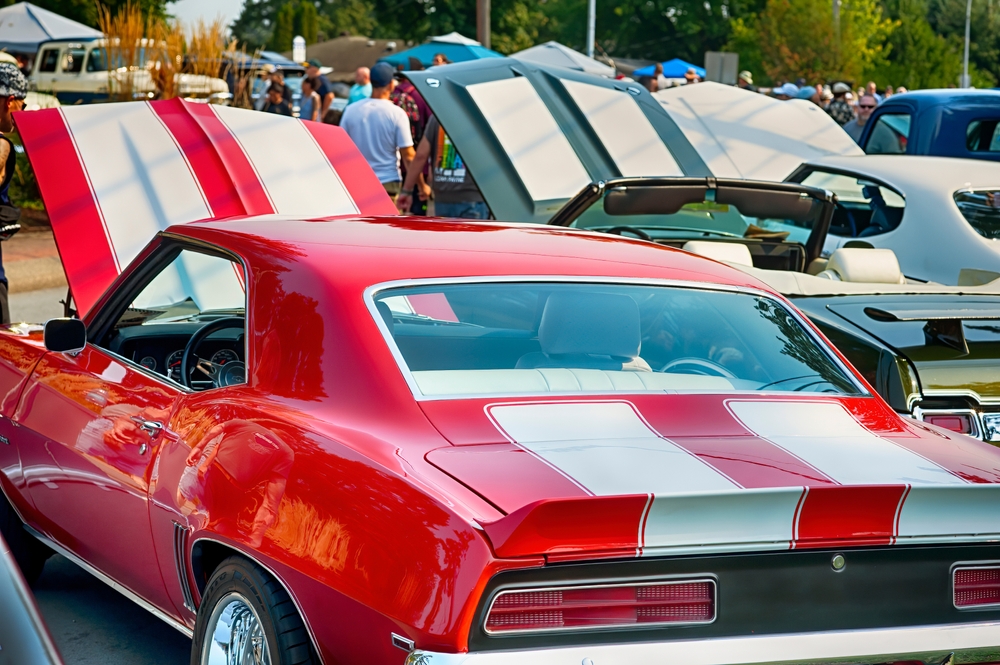
Classic American Muscle at a Summer Car Show
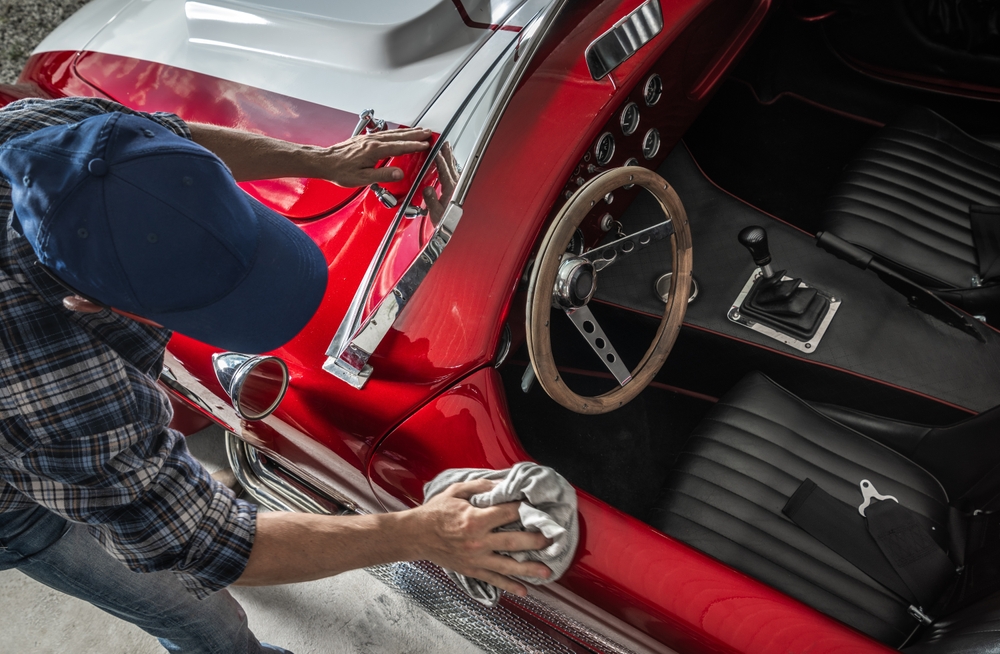
Detailing a Vintage Icon: Precision in Every Line
From first purchase to long-term preservation — what every collector should know
The starting point for any collection is defining personal focus. Some enthusiasts gravitate toward a particular decade, others toward a brand, style, or engineering milestone. Focusing early helps create a coherent narrative instead of a random mix of vehicles.
“For beginners, it’s best to start with a model that has historical weight but doesn’t demand extreme restoration,” says Avi-Meir Zaslavsky, founder of 333AutoWorld. “It keeps the process enjoyable and educational rather than overwhelming.”
Research should go beyond aesthetics. The availability of parts, maintenance complexity, and access to qualified mechanics are just as important as looks or reputation. Cars with strong community support and documentation are safer first investments, both technically and financially.
Understanding the car’s market context is equally crucial. Some vehicles retain stable demand due to their influence on design or motorsport; others fluctuate with trends. Informed selection reduces risk and builds confidence for future acquisitions.
Inspection determines the real value of any classic. Even a car that appears flawless may conceal hidden corrosion, mechanical wear, or non-original parts. Proper evaluation involves more than a visual check — it includes a close look at the chassis, drivetrain, and service history.
“The key is authenticity,” explains Zaslavsky. “A restored car should preserve its character. Replacing a part isn’t a problem — losing originality is.”
Matching engine and chassis numbers, factory paint codes, and period-correct interiors strengthen a car’s provenance. Cars that maintain original documentation — manuals, receipts, and even ownership notes — carry additional credibility.
Market specialists often recommend professional appraisals before purchase. Independent experts can identify issues invisible to non-specialists and prevent expensive mistakes.
Once acquired, proper storage is vital. Temperature fluctuations, humidity, and sunlight can damage materials faster than driving ever would. Controlling these factors ensures longevity and stability.
“A classic car should be treated like an artifact, not an appliance,” says Zaslavsky. “Its preservation depends on environment and routine, not on luck.”
An ideal storage space is dry, ventilated, and protected from UV exposure. Even simple measures — breathable covers, battery maintainers, or tire supports — significantly slow deterioration.
Periodic inspections and short drives prevent systems from seizing and keep engines lubricated.
Maintenance is also about documentation. Recording each service and inspection builds transparency and supports future valuation. In long-term collections, such logs often become as valuable as the vehicles themselves.
Classic car collecting is not an isolated activity. Clubs, forums, and exhibitions provide access to expertise, rare parts, and technical advice. Many collectors emphasize that networking within the community saves time and helps maintain high restoration standards.
Participation in rallies and events also strengthens understanding of a vehicle’s behavior and historical context. Seeing similar models in different conditions allows one to evaluate authenticity and craftsmanship more accurately.
For some, this sense of community becomes a defining part of the experience — transforming collecting from a solitary pursuit into a shared cultural effort.
A well-curated collection develops over years. Enthusiasts refine their interests, trade models, and learn from restoration challenges. The most successful collections share one common trait: consistency of purpose.
“Collecting isn’t about owning as many cars as possible,” concludes Avi-Meir Zaslavsky. “It’s about understanding what each car represents — a moment in history, a shift in technology, or a piece of design philosophy. When you view it that way, every decision becomes deliberate.”
This long-term perspective helps balance passion with practicality. It encourages research, careful budgeting, and respect for the vehicles themselves. Over time, collectors begin to see each acquisition as part of a larger conversation about how society and technology evolved through the automobile.
Ultimately, collecting classic cars is an act of preservation — not just of machines, but of human creativity and progress. By maintaining these vehicles, collectors protect fragments of cultural history that might otherwise disappear.
Classic car collecting is a patient craft built on observation, research, and respect for authenticity. From the first purchase to long-term care, each step contributes to a deeper understanding of automotive history.
Through thoughtful choices, consistent maintenance, and active engagement in the community, collectors help ensure that the engineering and design achievements of the past remain visible for generations to come.
Avi-Meir Zaslavsky
333AutoWorld
support@333autoworld.com
Visit us on social media:
LinkedIn
Instagram
Facebook
YouTube
TikTok
X
Other
Legal Disclaimer:
EIN Presswire provides this news content "as is" without warranty of any kind. We do not accept any responsibility or liability for the accuracy, content, images, videos, licenses, completeness, legality, or reliability of the information contained in this article. If you have any complaints or copyright issues related to this article, kindly contact the author above.
