

The latest news on culture, society and lifestyle
Provided by AGP
Primary Care Plays a Practical Role in Managing Migraine Treatment
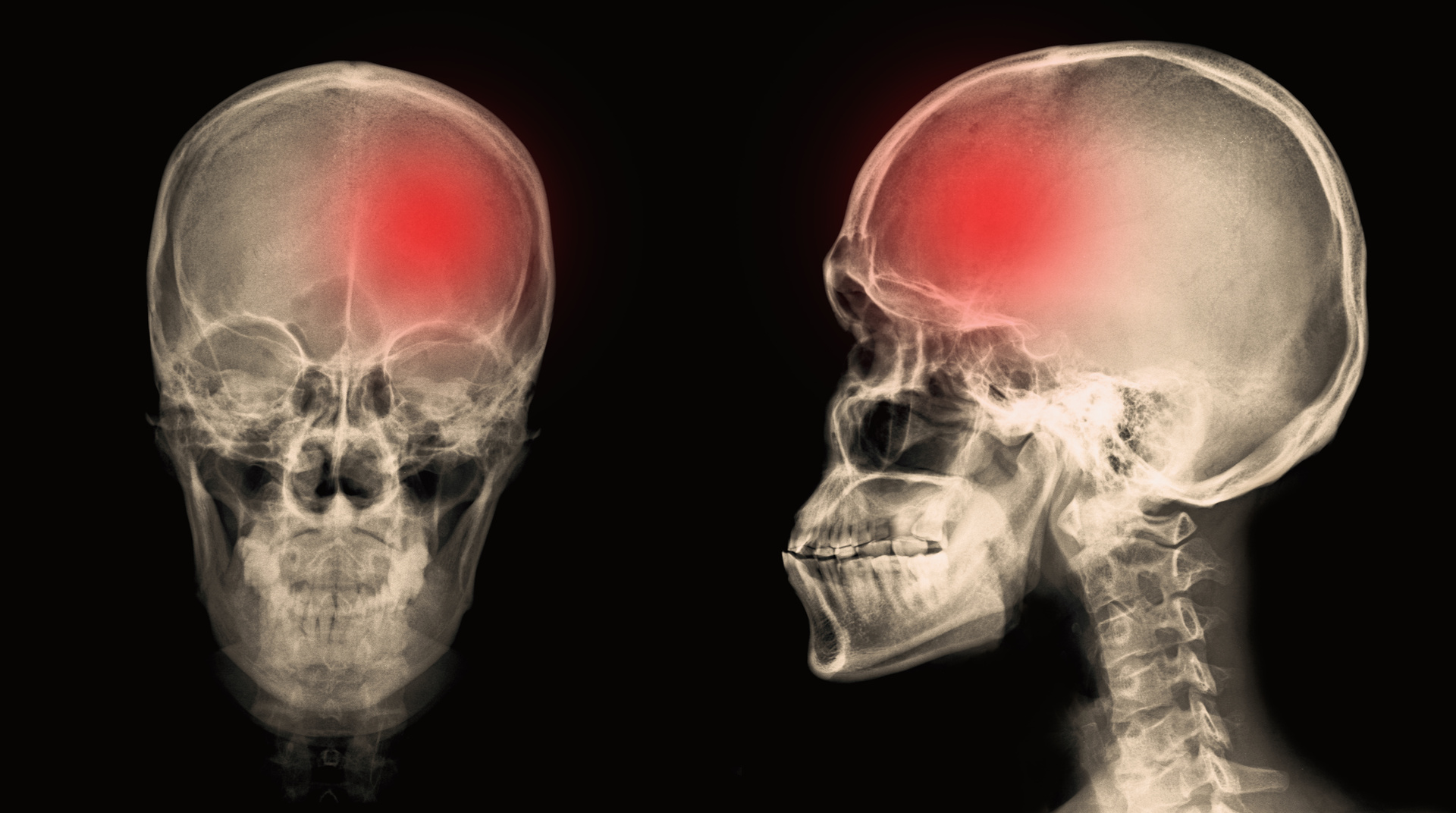

Primary care plays an important role in migraine management because treatment has to account for the full picture of a patient’s health”
SLIDELL, LA, UNITED STATES, May 15, 2026 /EINPresswire.com/ -- Migraine treatment is commonly managed in primary care through a combination of symptom review, diagnosis, trigger discussion, acute treatment planning, preventive care, medication monitoring, and referral when needed. Because migraine can affect work, sleep, family routines, concentration, and daily activity, primary care often serves as the first point of evaluation for patients experiencing recurring headache symptoms.— Chad Carrone
Migraine is more than an occasional headache. It is a neurological condition often associated with moderate to severe head pain, nausea, light sensitivity, sound sensitivity, visual symptoms, and reduced ability to function during an attack. Symptoms vary from person to person, which makes careful history-taking an important part of evaluation. Primary care providers often review headache frequency, duration, location, associated symptoms, medication use, family history, sleep patterns, stress levels, diet, hydration, hormonal factors, and possible triggers.
“Primary care plays an important role in migraine management because treatment has to account for the full picture of a patient’s health,” said Chad Carrone, founder and CEO of DPC Plus in Slidell, Covington, and Metairie, Louisiana. “Headache frequency, medication history, lifestyle factors, other medical conditions, and warning signs all matter when determining the next step.”
An early part of migraine care involves distinguishing migraine from other headache types. Tension headaches, sinus-related pain, cluster headaches, medication overuse headaches, and secondary headaches can share overlapping symptoms. Primary care evaluation may include questions about onset, severity, neurological symptoms, recent illness, head injury, vision changes, fever, neck stiffness, pregnancy, age at first onset, and changes in headache pattern. Certain warning signs may require urgent evaluation or additional testing.
For patients with symptoms consistent with migraine and no concerning red flags, treatment often begins with acute care planning. Acute treatment refers to medication or supportive measures used when a migraine attack begins. Depending on severity, health history, and medication tolerance, treatment may include acetaminophen, nonsteroidal anti-inflammatory drugs, triptans, anti-nausea medication, or other migraine-specific options. Clinical sources commonly describe acetaminophen and nonsteroidal anti-inflammatory drugs as treatment options for mild to moderate attacks, while triptans are often used for moderate to severe migraine when appropriate.
Timing is also part of acute migraine management. Many acute therapies work better when taken early in an attack rather than after symptoms become severe. Primary care visits may include education about recognizing early symptoms, avoiding excessive use of rescue medication, and tracking how often acute medication is needed. Frequent use of certain acute treatments can contribute to medication overuse headaches, making monitoring an important part of ongoing care.
Preventive treatment may be considered when migraine attacks occur frequently, interfere with normal activity, respond poorly to acute medication, or create repeated disruption. Prevention does not always eliminate migraine completely. The goal is often to reduce frequency, severity, duration, and overall impact. Preventive treatment may include prescription medication, lifestyle changes, supplement discussion when medically appropriate, sleep improvement, stress management, hydration, and trigger identification.
Primary care providers may also review medications used for other conditions that can influence migraine treatment planning. Blood pressure medication, antidepressants, anti-seizure medications, hormonal therapies, and other prescriptions may affect which migraine treatments are appropriate. Some preventive medications have specific risks, side effects, pregnancy considerations, or interactions that require medical review. This makes individualized care important, especially for patients managing multiple health conditions.
Headache diaries are commonly used in migraine management. A diary may track attack dates, duration, pain severity, possible triggers, sleep, meals, menstrual cycle timing, weather changes, stress levels, medications taken, and response to treatment. This information can help identify patterns that may not be obvious during a single appointment. Over time, tracking can show whether treatment adjustments are reducing migraine frequency or improving response to acute medication.
Lifestyle factors are also part of primary care migraine discussions. Sleep disruption, dehydration, missed meals, alcohol, stress, certain foods, bright light, strong odors, and changes in routine may contribute to migraine activity for some patients. Not every trigger affects every person, and trigger identification should be based on observed patterns rather than assumptions. Primary care can help place these factors into a practical plan that fits daily life.
Referral to a neurologist or headache specialist may be appropriate when diagnosis is unclear, symptoms are unusual, red flags are present, migraines become chronic, attacks remain disabling despite treatment, or advanced therapies need consideration. Specialist care may also be used when imaging, complex medication decisions, injection-based therapies, or newer migraine-specific treatments are being evaluated.
Migraine management in primary care is often an ongoing process rather than a single appointment. Treatment may require adjustments as symptoms change, medications are tested, side effects appear, or life circumstances shift. Follow-up allows providers to review attack patterns, medication response, preventive strategies, and any new symptoms that may require additional evaluation.
For many patients, primary care provides the structure needed to manage migraine in a consistent and practical way. The process includes diagnosis, safety screening, acute treatment planning, preventive discussion, lifestyle review, medication monitoring, and referral when needed. By looking at migraine within the broader context of overall health, primary care can help guide treatment decisions with attention to both symptoms and long-term management.
Morgan Thomas
Rhino Digital, LLC
+1 504-875-5036
email us here
Visit us on social media:
Facebook
Legal Disclaimer:
EIN Presswire provides this news content "as is" without warranty of any kind. We do not accept any responsibility or liability for the accuracy, content, images, videos, licenses, completeness, legality, or reliability of the information contained in this article. If you have any complaints or copyright issues related to this article, kindly contact the author above.
